
Brake pads are among the most important safety components in any vehicle, and knowing when they need replacing can prevent breakdowns, accidents, and more expensive repairs later. Despite being a relatively small part of the braking system, they play a crucial role in stopping power, driving safety, and overall vehicle performance. Yet many drivers are unsure how long brake pads last, what affects their lifespan, and how to spot early warning signs.
In this guide, we’ll break down everything you need to know, from typical lifespan and cost, to how to check your own brake pads and when to book a professional inspection. Whether you’re maintaining your vehicle for daily commuting or preparing for your next car service in Milton Keynes, this article covers all the essentials.
How Long Do Brake Pads Last? Factors Every Driver Should Know
If you’ve ever wondered how long brake pads last, the short answer is that their lifespan depends largely on driving habits, pad material, vehicle type, and road conditions. This article covers all of these areas, explains the costs involved, shows how to check your pads yourself, and lists the warning signs to look out for.
As a trusted MOT test centre in Milton Keynes, Unit 18 helps drivers stay safe on the road by offering professional brake inspections, replacements, and servicing. This guide combines expert insight with government-backed safety information to provide a comprehensive understanding of brake pad maintenance. In this article, we will explore:
- How Long Should Brake Pads Last?
- How Much Do Brake Pads Cost?
- What Wears Down Brake Pads?
- How Do You Know Your Brake Pads Are Worn?
- How To Check Brake Pads
- How Long Does Changing Brake Pads Take?
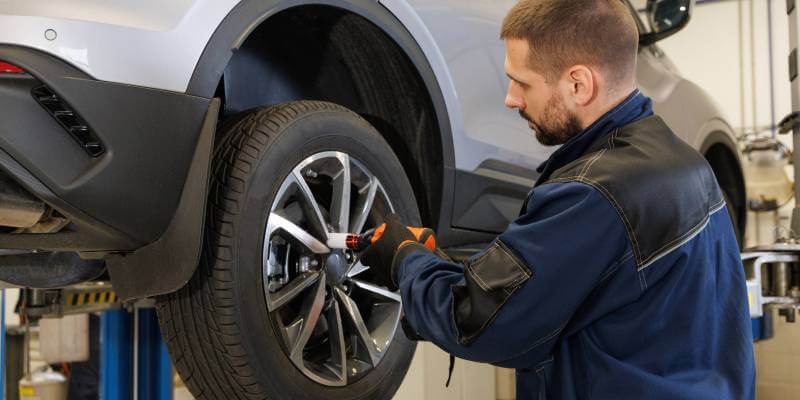
How Long Should Brake Pads Last?
Brake pads typically last between 30,000 and 70,000 miles, though this range can vary considerably. Some drivers manage 80,000+ miles on a set, while others may need replacements as early as 20,000 miles, depending on how and where they drive.
According to The Highway Code’s guidance on stopping distances, maintaining effective brakes is essential for safe stopping, especially in wet conditions or at higher speeds.
Below are the biggest factors that influence brake pad lifespan:
Brake Pad Material:
Different pad materials wear at different rates:
Ceramic brake pads
- Longest lifespan
- Excellent heat resistance
- Low dust production
- Best suited to everyday road use
Semi-metallic brake pads
- Stronger braking performance
- Typically louder and produce more dust
- Medium lifespan and widely used on modern vehicles
Organic brake pads
- Softer and quieter
- Least expensive
- Shortest lifespan
The RAC also notes that harsh driving conditions or stop-start travel can significantly reduce the life of any pad type.
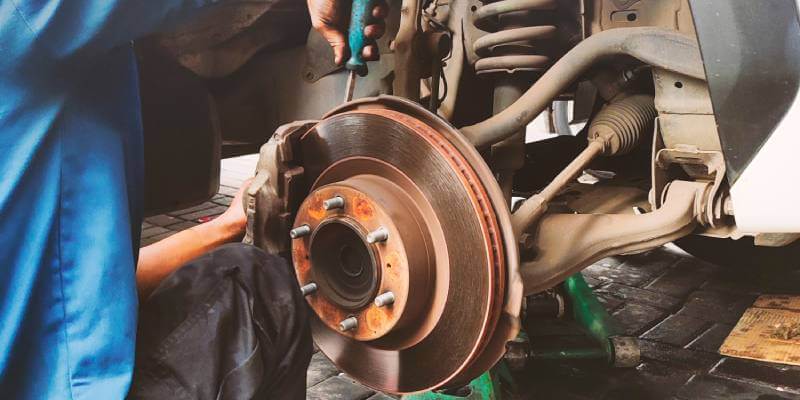
How Much Do Brake Pads Cost?
The cost of replacing brake pads can vary widely depending on your vehicle, parts, and labour. In most cases, a standard pad replacement costs:
- £150 to £500 for both front and rear pads
- £127 (average) for front pads only
- £121 (average) for rear pads only
- £200 to £700 if you need new pads and brake discs
If you’re booking a car service in Milton Keynes, the total may be higher if additional components, such as discs, callipers, or brake hoses, require attention.
Factors That Affect the Price
- Vehicle Type: Larger vehicles, SUVs, and luxury or performance cars use larger or more specialised brake systems, which increases the cost of pads and labour.
- Quality of Parts: Premium pads such as ceramic or OEM (manufacturer-recommended) parts, are more expensive but normally last longer.
- Labour Costs: Prices vary depending on local rates and the complexity of your specific vehicle model. Choosing a trusted local garage, such as Unit 18, ensures honest pricing and high-quality replacement parts.
- Need for Additional Work: If brake discs are worn or below the minimum thickness—something easily checked at an MOT or inspection—they will also need to be replaced. This significantly increases the total cost.
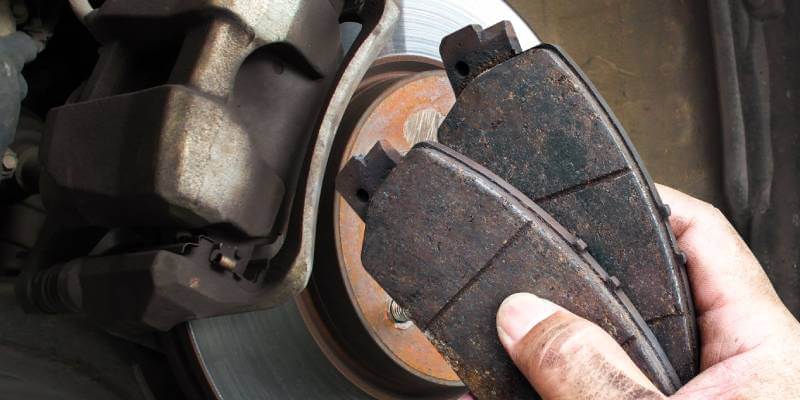
What Wears Down Brake Pads
Brake pads naturally wear down over time as they press against the brake disc to slow the vehicle. However, several factors can accelerate this wear. The AA explains that heavy braking, inconsistent driving speeds and short journeys all contribute to quicker deterioration.
Here are the main causes:
Driving Habits and Conditions
- Aggressive driving: Constant hard or late braking produces excessive heat and friction, wearing the pads far more quickly.
- High speeds: Slowing down from high speeds requires greater friction, which naturally reduces the lifespan of brake pads.
- Stop-and-go city driving: In urban areas like Milton Keynes, frequent traffic lights and roundabouts mean repeated braking—significantly increasing wear.
- Hilly terrain: Long descents require prolonged braking, which can overheat pads and shorten their lifespan.
- Vehicle weight: Heavier cars, vans, and SUVs require more braking force, meaning greater pad wear.
Mechanical Factors
Worn components can cause unnecessary friction, such as:
- Binding or sticking callipers
- Warped brake discs
- Uneven pad seating
- Contaminated pads
Environmental Factors
Salt, moisture, and debris can corrode metal brake components and speed up wear, particularly during winter.
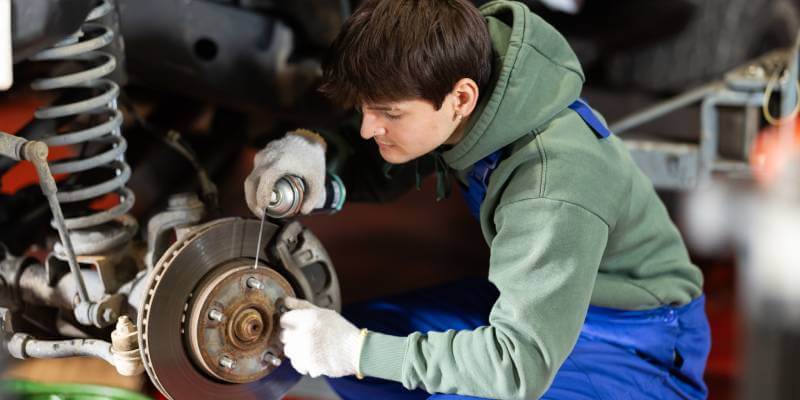
How Do You Know If Your Brake Pads Are Worn?
Recognising worn brake pads early can prevent costly repairs. The Road Safety Charity, Brake, emphasises that ignoring early warning signs can lead to longer stopping distances and severe braking failures.
Here are the most common signs your brake pads may need replacing:
Noises
- Squealing or screeching: Most pads have a built-in wear indicator that emits a high-pitched squeal when the friction material becomes thin.
- Grinding: A grinding sound indicates metal-on-metal contact, meaning the pad material is completely gone. This can cause significant disc damage and must be addressed immediately.
Vibrations and Pedal Feel
- Vibrations: A pulsing pedal or vibrating steering wheel typically indicates warped discs or uneven pad wear.
- Spongy or soft brake pedal: This may suggest worn pads, air in the brake lines, or issues with the hydraulic system.
Vehicle Behaviour
- Pulling to one side: Uneven pad wear or a sticking brake calliper can cause the vehicle to pull left or right when braking.
- Longer stopping distance: If your car takes longer to stop than usual, your pads or discs may be worn.
Visual and Electronic Indicators
- Dashboard warning light: Many modern vehicles include a brake wear sensor that alerts you when pads reach minimum thickness.
Visual inspection
You can often see the brake pad through the wheel spokes. If the friction material looks thinner than ¼ inch (around 6mm), it’s time to replace it.
If you’re unsure, Unit 18 can perform a quick inspection as part of your regular car service in Milton Keynes.
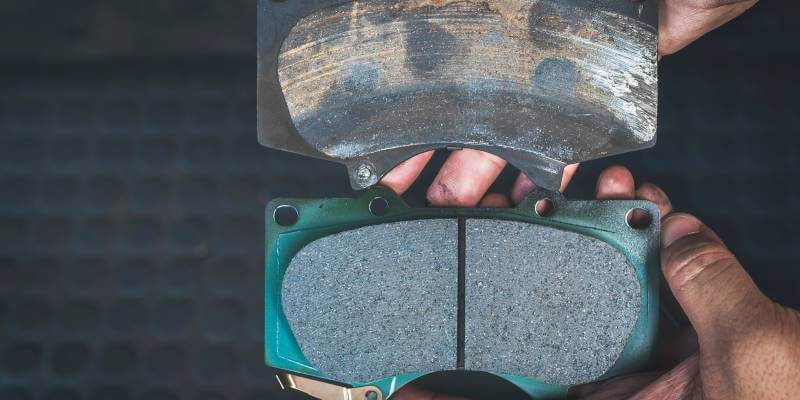
How To Check Brake Pads
While professionals can provide the most reliable inspection, you can check your brake pads at home with basic tools and a few simple steps. This is especially helpful before booking a service or if you’ve noticed unusual noises.
1. Park Safely and Secure the Car
- Park on level ground
- Apply the handbrake
- Place wheel chocks behind the tyres
2. Turn the Steering Wheel
Turning the wheel fully left or right gives you a clearer view of the front brake pads through the spokes of the alloy or steel wheel.
3. Look Through the Wheel
Use a torch and look through the wheel openings to locate the brake pads, which sit on either side of the brake disc.
Check to see if:
- The pad material is 6mm or thicker.
- The surface looks even.
- There is no metal-on-metal rubbing.
If you cannot see them clearly, move on to the next step.
4. Remove the Wheel (Optional but More Accurate)
Tools needed:
- Jack
- Axle stands
- Wheel wrench
Steps:
- Loosen the wheel nuts while the car is still on the ground.
- Jack the vehicle up and secure it with axle stands.
- Remove the wheel completely.
- Inspect the pad from above and at the side.
You are looking for:
- A smooth, even layer of pad material
- No cracks or glazing
- No exposed metal backing
5. Check Both Pads
Each brake calliper has inner and outer pads; the inner pad usually wears faster. Always inspect both.
6. Rotate the Disc
Slowly rotate the brake disc by hand. You should feel:
- Smooth rotation
- No scraping
- No grinding
7. Decide Whether They Need Replacing
Replace brake pads if:
- They are under 4–5mm thick.
- You hear squealing or grinding.
- There is uneven wear.
- The disc surface has deep grooves.
If you’re unsure, Unit 18 can confirm during a quick inspection.
How Long Does Changing Brake Pads Take?
The time required to change brake pads varies depending on whether you do it yourself or take the car to a professional. A trained mechanic typically completes the job much faster.
Factors That Affect the Time
- Experience and Tools: A professional with the correct tools and a hydraulic lift is far quicker than a DIY job with a standard car jack.
- Vehicle Model: Some cars have brake systems that are easier to access, while others have more complex assemblies.
- Rotor (Disc) Condition: If the discs also need resurfacing or replacing, this adds additional time.
- Additional Issues: Rust, seized bolts, or worn callipers can significantly extend the job.
Typical Time Breakdown
For one axle (front or rear):
- Inspection & wheel removal: 10–15 minutes
- Calliper & old pad removal: 10–20 minutes
- Cleaning & new pad installation: 10–20 minutes
- Reassembly: 10–20 minutes
- Brake bleeding (if required): 10–30 minutes
Total Time Estimates
- Professional mechanic: 30 minutes to 1.5 hours (per axle)
- DIY: 2–3 hours or longer
- With rotor replacement (both axles): 3–4 hours
If you want fast, reliable work done by specialists, Unit 18 offers efficient brake replacements as part of our comprehensive car service in Milton Keynes.
Keeping Your Brakes in Top Condition
Brake pads may be small components, but they play a major role in vehicle safety. Understanding how long they last, how to check them, and when to replace them helps ensure your car is running safely and efficiently.
If you have any concerns about your brakes, need replacement pads, or want a reliable MOT test centre in Milton Keynes, Unit 18 is here to help. Our experienced team provides high-quality brake inspections, servicing, and repairs to keep your vehicle performing exactly as it should.
Whether you drive daily in heavy traffic, regularly take long motorway journeys, or simply want peace of mind, keeping on top of brake maintenance is essential, and Unit 18 makes the process easy, transparent, and dependable.